
July 21, 2026
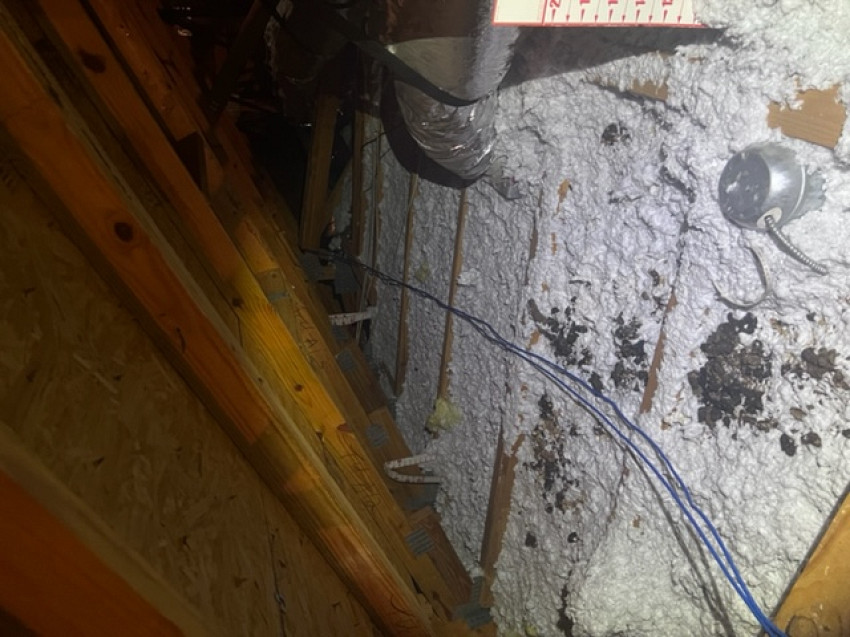
Dead Animal in Your Attic: Smell, Health Risks, and How to Find It
A dead animal in your attic announces itself by smell. A sweet, sour odor that builds for several days and then slowly fades usually means a rat, squirrel, opossum, or raccoon has died in the attic or a wall cavity. In Florida heat a small carcass can decompose within a week, and the smell often peaks before you ever find the source. This guide covers what the odor means, the health risks involved, and how to locate a dead animal in your attic. If whatever is up there is still alive and moving, that is a different job, and our page on animal removal from your attic covers live wildlife. If you would rather not go looking for a carcass yourself, that is what our dead animal removal service is for.
Is the smell from a dead animal dangerous?
The odor itself comes from gases released as tissue breaks down, and while unpleasant it is not the main concern. The real risk is what the animal may have carried. Rats, raccoons, and bats can host bacteria, parasites, and roundworm that survive in droppings and nesting material after the animal dies. Flies drawn to the carcass then spread contamination into the living space below. Anyone with asthma or a weakened immune system should keep clear of the area and let the space ventilate.
Identify what died before you go looking
Knowing the type of animal helps you predict where it is and how big a job the odor represents. Rats and squirrels are small and often die inside insulation or a wall void near where they nested. Raccoons and opossums are larger, take longer to decompose, and produce a far stronger smell. The noises you heard before the smell started, and the time of day you heard them, are the best clue to what is up there.
Wear protective gear
A dead animal does not mean the attic is empty. Live animals often still move through the same space, so treat it as an active site. Wear gloves, a fitted mask, and clothing you can wash or discard, and carry a good flashlight. The light is your most important tool, both for finding the carcass and for spotting nails, wiring, and weak ceiling joists while you move around.
Locate the source of the odor
Follow the smell to its strongest point, then look for the details that confirm it: a cluster of flies on the ceiling below, disturbed or stained insulation, and dark staining on drywall. Carcasses often end up in the hardest spots to reach, wedged in a soffit, a wall cavity, or under insulation. If the odor is strong but you cannot find the source, a professional with an experienced nose and the right access tools can usually locate it quickly.
Remove and clean the area
Once you find it, the carcass has to come out along with any soiled insulation and nesting material around it, and the spot needs sanitizing to stop the odor and the health risk from lingering. Larger animals may have to be removed in pieces. If reaching the carcass means opening a wall or ceiling, or if you are simply not comfortable with the job, this is the point to call a professional wildlife company rather than push further.
Then close the door the next one used
An animal that died in your attic got in somehow, and the opening it used is still there. Removing the carcass and sanitizing the space solves today's problem, but sealing the entry point is what stops the next animal from repeating it. If you are hearing live activity now, or you want the entry points found and sealed for good, our team handles animal removal from your attic from the first removal through permanent sealing under a lifetime warranty.
Dr. Critter has handled dead animal calls across the Greater Orlando and Tampa area for more than 25 years. Call us at 800-932-7287, or learn more about our dead animal removal service.
Does Homeowners Insurance Cover…


How Much Does Wildlife Removal…
July 14, 2026
Bat Removal in Central Florida:…
July 9, 2026


Skunk Removal in Central Florida…
June 2, 2026
What's That Noise in My Attic?…
May 26, 2026


Armadillo Removal in Central…
May 26, 2026
Is Raccoon Poop Dangerous? Health…
May 26, 2026


Wildlife Control vs. Pest Control:…
May 26, 2026
Florida Bat Removal Laws: What…
May 19, 2026


Dr. Critter - Wildlife Experts
October 27, 2025